


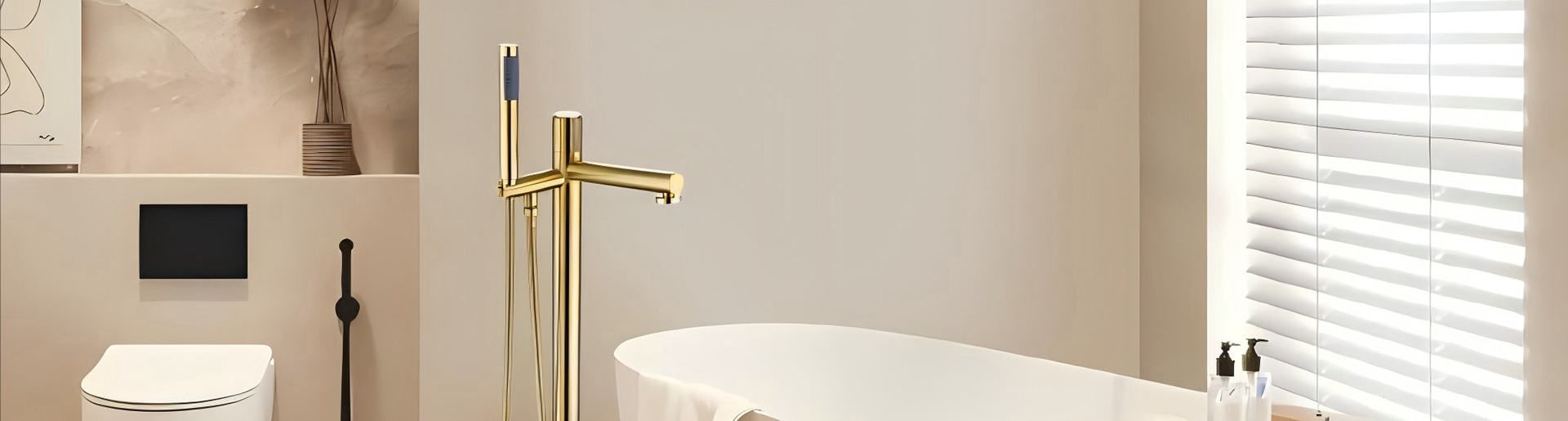
What Is a Multi-Function Shower System
A multi-function Shower System is a complete shower solution that combines multiple water outlets and control functions into one integrated bathroom system. It usually includes components such as an overhead shower, hand shower, diverter, and control valve, allowing users to switch between different shower experiences according to their needs.
Modern bathroom designs increasingly focus on flexibility, comfort, and efficient space utilization. A multifunction shower system provides more than basic water delivery by combining different functions into a coordinated structure. For manufacturers, creating a complete bathroom shower set requires careful matching of valves, outlets, water channels, and installation components to ensure stable performance.
Table of Contents
- What Components Are Included in a Multi-Function Shower System?
- How Does a Multifunction Shower System Work?
- What Are the Advantages of a Complete Bathroom Shower Set?
- What Should Be Considered When Selecting a Shower System?
- How Do Manufacturers Test Multi-Function Shower Systems?
- How Does Product Design Affect Shower System Reliability?
What Components Are Included in a Multi-Function Shower System?
A complete shower system is made up of several connected components that work together to control water distribution.
| Component | Main Function |
|---|---|
| Overhead shower | Provides wide-area rainfall water flow |
| Hand shower | Offers flexible cleaning and personal control |
| Shower valve | Controls water temperature and flow |
| Diverter | Switches between different outlets |
| Shower arm | Connects overhead shower to the water supply |
| Control handle | Adjusts user settings |
The combination of these components determines the overall shower experience. A well-designed system should provide smooth switching, stable water pressure, and reliable long-term operation.
How Does a Multifunction Shower System Work?
A multifunction shower system uses internal valves and diverters to control where water flows. When the user adjusts the control handle, the system directs water to selected outlets.
For example:
The overhead shower can provide full-body coverage.
The hand shower can support targeted cleaning.
Multiple outlets can be switched according to personal preference.
Temperature and flow can be adjusted through the control valve.
The internal structure must be accurately designed because multiple water paths operate within the same system.
What Are the Advantages of a Complete Bathroom Shower Set?
A complete bathroom shower set provides several practical benefits.
1. More Flexible Shower Functions
Users can select different water outlets depending on the situation. A hand shower is convenient for cleaning, while an overhead shower creates a wider water experience.
2. Better Bathroom Integration
Since all components are designed as one system, the appearance is more coordinated compared with combining separate parts from different sources.
3. Improved Space Utilization
Multi-function systems reduce the need for separate controls and exposed connections, creating a cleaner bathroom layout.
4. Enhanced User Comfort
Different spray types and outlet positions allow users to adjust the shower experience based on personal preferences.
What Should Be Considered When Selecting a Shower System?
A shower system needs to match the installation environment and water conditions.
Important factors include:
Water Pressure Requirements
Multiple outlets may require sufficient water supply capacity. Low pressure environments may need optimized flow designs.
Valve Structure
The valve must control multiple functions smoothly without causing unstable water output.
Installation Space
The wall structure, pipe position, and finished surface thickness affect installation compatibility.
Component Matching
The shower head, hand shower, diverter, and valve should work together as a complete system.
How Do Manufacturers Test Multi-Function Shower Systems?
A shower system wholesale supplier needs to verify the performance of each component and the complete assembly.
Common tests include:
| Test | Purpose |
|---|---|
| Water pressure test | Checks leakage resistance |
| Flow test | Evaluates water output stability |
| Switching test | Confirms smooth outlet change |
| Temperature test | Checks control accuracy |
| Installation test | Verifies component compatibility |
These inspections help reduce problems after installation.
How Does Product Design Affect Shower System Reliability?
A reliable multi-function shower system depends on several design details:
Accurate valve machining
Durable sealing components
Stable waterway structure
Strong outlet connections
Easy maintenance design
Aidier considers component matching and production quality during shower product development to improve system consistency.
A multi-function shower system combines convenience, flexibility, and coordinated design. The quality of the internal valve structure and the connection between components determine whether the system can provide a stable shower experience over time.