


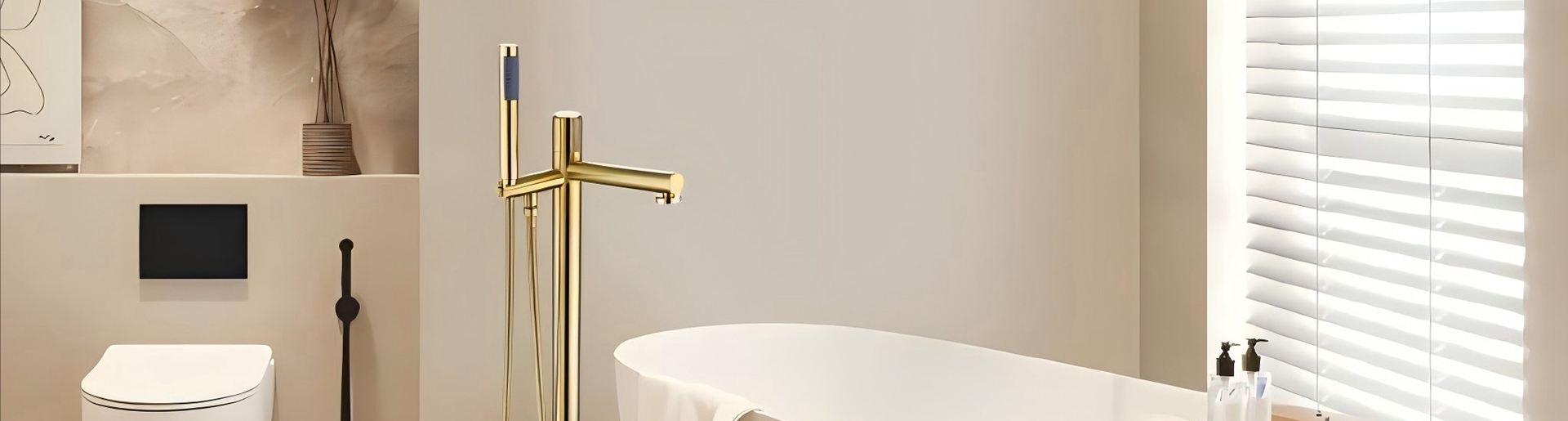
How to Pick a Bathroom Faucet?
Choosing the right Bathroom Faucet is a key decision that affects both functionality and style in your bathroom. A faucet not only controls water flow but also contributes significantly to the overall aesthetic of your sink area. When selecting one, it’s important to consider the installation type, material, design, and features that align with your daily use and interior décor.
Table of Contents
Understanding Faucet Types
Bathroom faucets come in several configurations, each suited to specific sink styles and installation preferences. The most common are:
| Faucet Type | Description | Suitable Sink |
|---|---|---|
| Single-Hole Faucet | Compact design with one handle controlling both temperature and flow. | Ideal for small sinks or minimalist designs. |
| Centerset Faucet | Combines handles and spout on a single base unit. | Fits most standard sinks with three holes close together. |
| Widespread Faucet | Separate handles and spout for a more luxurious look. | Best for larger sinks or countertop installations. |
| Wall-Mounted Faucet | Installed on the wall above the sink, saving counter space. | Suitable for vessel sinks or modern spaces. |
Each configuration impacts how the faucet connects to the plumbing system, so it’s crucial to match the faucet type with the sink’s pre-drilled holes or desired layout.
Material and Finish Selection
The material of a faucet determines its durability and resistance to corrosion. Brass is a preferred choice for long-lasting performance, while stainless steel offers a clean and modern look. Zinc and plastic options are more affordable but may have shorter lifespans. The surface finish also influences appearance and maintenance:
Chrome: Reflective and easy to clean, perfect for contemporary bathrooms.
Brushed Nickel: Resistant to fingerprints and water spots.
Matte Black: Popular for modern or industrial styles.
Gold or Bronze: Adds a classic or vintage touch to luxury interiors.
A high-quality finish should resist tarnishing and match other hardware in your bathroom, creating a unified design.
Functional Features
Modern faucets offer features designed for convenience, hygiene, and water efficiency. Key aspects include:
Water-Saving Aerators: Reduce flow without compromising pressure.
Temperature Control: Smooth handle operation allows precise adjustment.
Touchless Activation: Ideal for public or family bathrooms, promoting cleanliness.
Swivel Spouts: Provide flexibility in larger basins.
When shopping, always check for water efficiency certifications that help lower consumption while maintaining performance.
Installation Considerations
Before buying, verify the number of holes in your sink or countertop. Single-hole faucets are easiest to install, while widespread models require more space and alignment accuracy. Wall-mounted faucets need in-wall plumbing adjustments, which may involve additional renovation work.
Professional installation ensures leak-free connections and proper alignment. However, many modern faucets include step-by-step kits for DIY installation. Always use compatible washers and gaskets to prevent water damage and ensure long-term stability.
Matching Style and Design
A faucet should complement the overall bathroom theme. Minimalist designs suit modern spaces, while ornate curves fit traditional bathrooms. The spout height also matters—higher spouts pair well with vessel sinks, whereas lower ones suit under-mount basins. Coordinating the faucet with mirror frames, lighting fixtures, and towel bars creates visual harmony.
For cohesive appeal, match finish tones throughout the bathroom. Consistency in texture and color helps achieve a seamless design flow from the sink to the shower area.
Maintenance and Longevity
A well-chosen faucet should last many years with minimal maintenance. To keep it looking new:
Wipe regularly with a soft cloth to prevent mineral buildup.
Avoid abrasive cleaners that damage finishes.
Check seals periodically to prevent leaks.
High-quality ceramic cartridges and anti-corrosion materials extend faucet lifespan. Investing in durable internal components minimizes maintenance needs over time.
Conclusion
Selecting the perfect bathroom faucet involves balancing appearance, functionality, and compatibility with your existing setup. Evaluate installation types, materials, and finishes before purchasing. Opt for reliable internal mechanisms and efficient water flow systems that ensure comfort and durability. A thoughtfully chosen faucet not only enhances everyday convenience but also defines the character and sophistication of your bathroom space.