


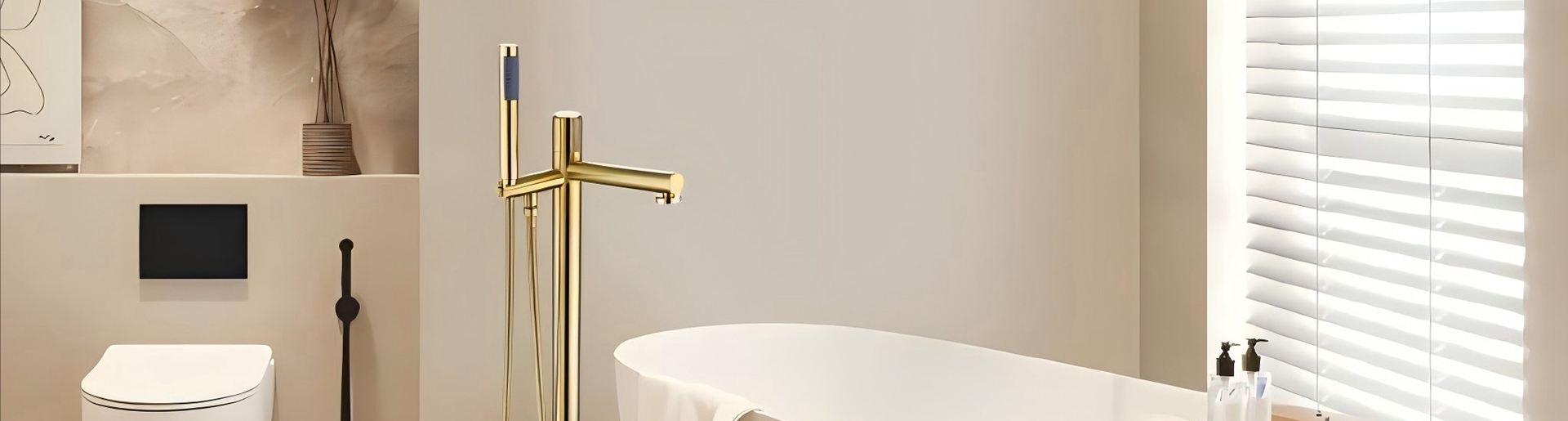
How to Choose Faucet Finish for Long Term Use?
Finish selection is one of the most underestimated decisions in faucet sourcing. While shape and function attract attention at first glance, long-term performance is largely defined by the surface layer. Scratches, fading, corrosion, and color inconsistency often become visible after months of use, not at the time of purchase. A structured approach to faucet surface finish selection helps prevent these issues before they reach the market.
Table of Contents
- Why finish durability matters beyond appearance
- Electroplated finishes and their consistency
- PVD coating for enhanced durability
- Powder coating and modern finishes
- Environmental factors and usage conditions
- Comparing common faucet finishes
- Manufacturing capability behind finish quality
- Balancing design and performance
- Final perspective on finish selection
Why finish durability matters beyond appearance
A faucet finish acts as the first barrier against moisture, cleaning chemicals, and daily wear. In kitchens and bathrooms, exposure to water minerals, detergents, and temperature changes is constant. Industry durability testing commonly uses salt spray resistance as a benchmark, with high-quality finishes lasting 200 to over 500 hours without corrosion under controlled conditions.
These tests are directly linked to the question of which faucet finish lasts longer, since they simulate long-term environmental exposure. Buyers should always request test data rather than relying on visual inspection.
Electroplated finishes and their consistency
Traditional electroplating remains widely used due to its cost efficiency and established process control. Chrome and nickel-based finishes provide a smooth, reflective surface and good corrosion resistance when properly applied.
A brushed nickel faucet finish is often selected for its ability to hide fingerprints and minor scratches. Its slightly textured surface reduces visible wear over time, making it a practical choice for high-frequency use environments.
However, plating quality depends heavily on process control. Inconsistent thickness or poor adhesion can lead to peeling or discoloration after extended use.
PVD coating for enhanced durability
Physical vapor deposition technology offers a more advanced solution for long-term performance. PVD coatings create a dense and uniform layer that significantly improves hardness and scratch resistance.
Premium finishes such as matte black faucet coating often use PVD technology to achieve both aesthetic appeal and durability. Compared with standard plating, PVD coatings can reach higher resistance levels in abrasion and corrosion testing, making them suitable for demanding markets.
This is often considered the best coating for faucet durability when long product lifespan is a priority.
Powder coating and modern finishes
Powder coating is another option used in specific designs. It provides a thicker coating layer and allows for a wide range of colors and textures. While it offers good coverage, its durability depends on proper curing and surface preparation.
For contemporary products such as a spring neck Kitchen Faucet, powder coating can create a uniform matte look. However, it may not match the long-term scratch resistance of PVD in high-contact areas.
Environmental factors and usage conditions
Finish performance is also influenced by where and how the faucet is used. Hard water areas with high mineral content can accelerate surface wear. Frequent cleaning with strong chemicals may degrade lower-quality coatings.
Understanding the end-use environment is essential when evaluating which faucet finish lasts longer. A finish that performs well in one region may not deliver the same results in another.
Comparing common faucet finishes
| Finish type | Durability level | Visual characteristics | Maintenance |
|---|---|---|---|
| Chrome plating | High | Bright and reflective | Easy to clean |
| Brushed nickel | Medium to high | Soft metallic texture | Hides fingerprints |
| PVD coating | Very high | Wide color options | Strong scratch resistance |
| Powder coating | Medium | Matte and uniform | Requires careful cleaning |
This comparison supports more informed faucet surface finish selection based on both performance and application needs.
Manufacturing capability behind finish quality
Finish durability is not only about technology but also about execution. Factories with in-house plating or coating lines can control every stage, from surface preparation to final inspection. This reduces variation between batches and ensures consistent results.
AIDIER operates integrated production facilities, including plating and spraying processes, which help maintain stable coating quality. Combined with systematic testing before shipment, this approach reduces the risk of finish-related complaints in long-term use.
Balancing design and performance
Choosing a finish is a balance between visual appeal and durability. High-end finishes may increase initial cost, but they reduce long-term risks such as returns, replacements, and customer dissatisfaction.
A structured evaluation of coating technology, testing data, and manufacturing control provides a clearer path to selecting the right finish for long-term performance.
Final perspective on finish selection
Finish quality defines how a faucet ages over time. From electroplating to advanced coatings, each option offers different levels of protection and visual effect. The key is to match finish technology with real usage conditions and ensure that the supplier can deliver consistent results across production batches.
A well-chosen finish protects not only the product but also the reputation of the brand behind it.