


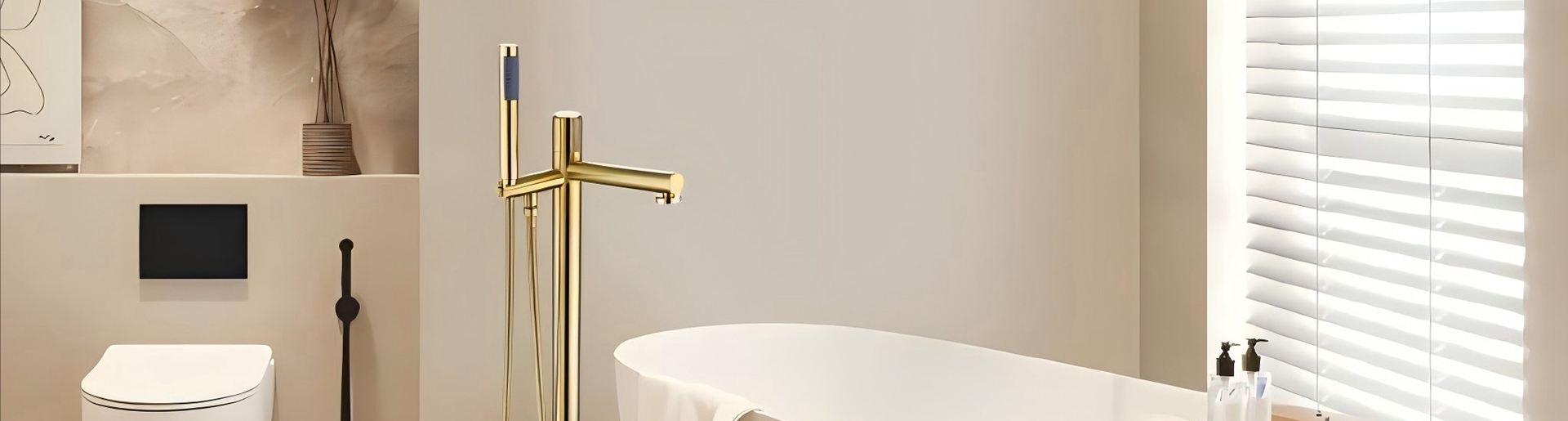
Which Type of Shower Is Best for a Bathroom?
Choosing the right type of shower for a bathroom is essential to achieving both comfort and functionality. The perfect shower not only complements the design of the space but also meets the user’s preferences for water flow, temperature control, and ease of maintenance. Modern showers combine aesthetics and performance, offering options suitable for different bathroom sizes, water pressures, and installation types.
Table of Contents
Understanding Different Shower Types
There are several main categories of showers, each offering unique features that fit various bathroom layouts and user needs.
Electric Showers
Electric showers heat water instantly using an internal heating element. They are ideal for homes with low hot-water availability, as they work independently from the main water heater. Their energy efficiency and consistent performance make them a practical choice for small households.Mixer Showers
Mixer showers blend hot and cold water to deliver the desired temperature. They provide a powerful flow and are compatible with both gravity-fed and pressurized water systems. They are preferred for bathrooms where a strong water stream enhances comfort.Power Showers
Power showers are equipped with a built-in pump to increase water pressure. They are suitable for homes with low-pressure systems and are often installed in traditional bathrooms. Their vigorous spray makes them a luxury option for those who enjoy a spa-like experience.Digital Showers
Digital showers allow precise temperature control through electronic thermostats. They can be operated remotely or through smartphone apps, offering modern convenience and safety. Their sleek design fits seamlessly into contemporary bathrooms.Thermostatic Showers
Thermostatic showers maintain a consistent water temperature even if the water supply fluctuates elsewhere in the home. They are ideal for family bathrooms, ensuring safety and preventing sudden temperature changes.
| Shower Type | Key Advantage | Suitable Bathroom |
|---|---|---|
| Electric | Instant heating | Small or guest bathrooms |
| Mixer | Consistent flow | Medium-sized bathrooms |
| Power | Increased pressure | Traditional bathrooms |
| Digital | Smart control | Modern bathrooms |
| Thermostatic | Temperature stability | Family bathrooms |
Factors to Consider Before Choosing
When selecting a shower, several factors determine its suitability for your bathroom layout and household requirements.
Water Pressure Compatibility
Homes with gravity-fed systems may require a power or pumped mixer shower, while combi boiler systems work best with mixer or digital showers.Bathroom Size
Smaller bathrooms benefit from compact shower columns or concealed mixers, while spacious bathrooms can accommodate rainfall heads or dual outlets.Style and Design
Sleek chrome, brushed nickel, or matte black finishes can complement modern interiors. Frameless glass panels or concealed valves enhance minimalist aesthetics.Installation and Maintenance
Wall-mounted units are easier to install, while concealed installations require more planning but provide a cleaner appearance. Materials such as stainless steel or high-quality brass ensure long-term durability.
Combining Functionality and Comfort
Modern bathrooms focus on merging comfort and technology. Showers with adjustable spray modes, anti-scald systems, and eco-friendly water-saving functions enhance daily use. Overhead rainfall designs create a relaxing spa atmosphere, while handheld options increase flexibility for cleaning and bathing convenience.
Digital and thermostatic showers have become popular for their consistent temperature control and safety. These systems offer intuitive interfaces, often with touchscreens or wireless remotes, giving users precise control over water settings. In addition, energy-efficient designs help reduce water consumption without compromising comfort.
Matching the Shower to Bathroom Aesthetics
A shower should align with the overall bathroom theme. For example, a rainfall shower head paired with a concealed mixer creates a sleek modern look. In contrast, a traditional exposed mixer fits well in classic or vintage interiors. Chrome finishes reflect light and make small bathrooms appear brighter, while matte finishes add elegance to minimalist designs.
Lighting also enhances the shower area. Incorporating LED ambient lighting above the enclosure or within the ceiling adds a luxurious touch, complementing modern fixtures. Clear glass enclosures or frameless partitions can further open the space, making it appear more expansive.
Installation Layout Options
Bathroom layout affects how efficiently a shower fits within the space. Corner enclosures are perfect for compact bathrooms, while walk-in showers provide accessibility and openness. Wet rooms, where the entire area serves as the shower space, are ideal for modern homes emphasizing a barrier-free design.
| Layout Type | Benefits | Space Requirement |
|---|---|---|
| Corner Enclosure | Space-saving | Small bathrooms |
| Walk-in Shower | Luxurious, easy access | Medium to large bathrooms |
| Wet Room | Modern and open | Large bathrooms |
| Over-Bath Shower | Dual function | Small or family bathrooms |
Conclusion
The best type of shower for a bathroom depends on personal needs, water system compatibility, and design preference. Electric showers suit quick and efficient installations, while mixer and power showers deliver robust water flow. Digital and thermostatic showers offer precision and safety for modern living. By considering the bathroom’s size, water pressure, and aesthetic, homeowners can choose a shower that enhances both comfort and style for years to come.