


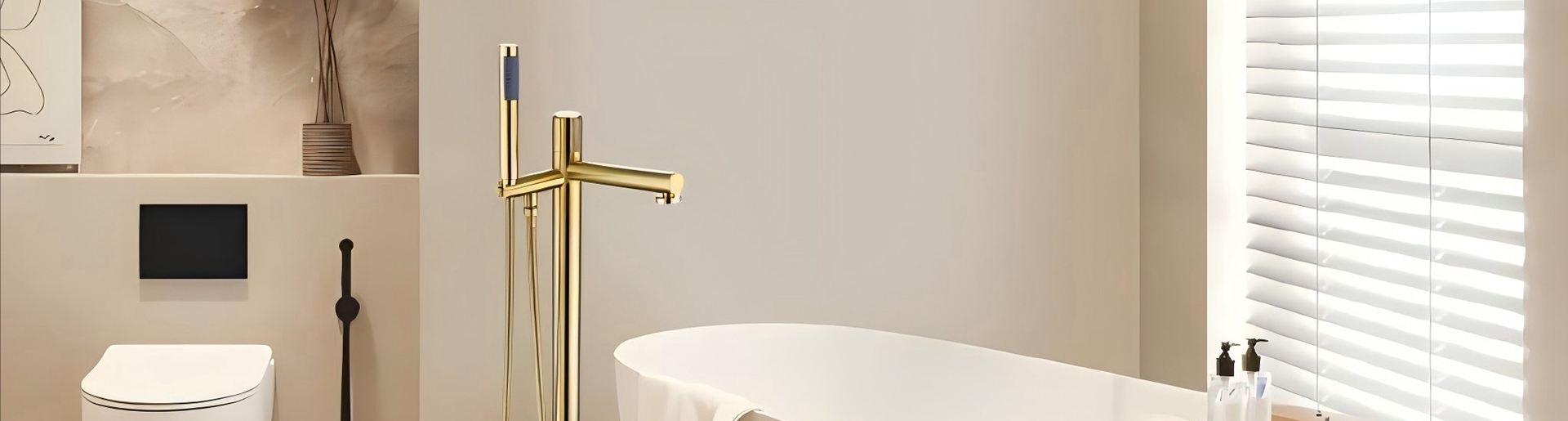
How to Choose a Shower System?
Selecting the right Shower System is an important step in creating a comfortable and functional bathroom. It influences not only the style of your space but also your daily bathing experience. A well-chosen system provides the right water pressure, ideal temperature control, and efficient water use, all while enhancing the visual appeal of your bathroom.
Table of Contents
Understanding Shower System Types
Before making a purchase, it is essential to understand the main types of shower systems available. Each system offers unique features suited to different preferences and bathroom layouts.
Mixer Shower: Combines hot and cold water supplies to achieve the desired temperature. It is ideal for homes with stable water pressure and consistent heating.
Thermostatic Shower: Maintains a constant water temperature even when other taps are used, ensuring safety and comfort for households with children or elderly members.
Digital Shower: Controlled electronically with a precise temperature setting and advanced features like remote control or app integration.
Power Shower: Uses a built-in pump to boost low water pressure, suitable for homes with gravity-fed systems.
Electric Shower: Heats water instantly from the cold supply, making it energy-efficient and perfect for areas with limited hot water.
Assessing Water Pressure and Supply
The performance of your shower system depends heavily on your home’s water pressure. Understanding whether you have a gravity-fed, combi boiler, or pressurized system will help determine which shower model fits best.
If water pressure is low, a power shower or an electric shower is a better option. For homes with strong mains pressure, a mixer or digital shower provides a balanced flow and comfortable spray.
| Water System Type | Recommended Shower System | Notes |
|---|---|---|
| Gravity-fed system | Power shower | Enhances low pressure |
| Combi boiler | Mixer or digital shower | Consistent flow |
| Pressurized system | Thermostatic or mixer | Balanced performance |
Choosing Shower Heads and Accessories
The shower head plays a major role in how enjoyable the shower feels. Fixed overhead rain showers provide a luxurious rainfall experience, while handheld models offer flexibility and easy cleaning. Some advanced systems feature dual shower heads, allowing users to switch between spray types.
When choosing accessories, consider thermostatic valves, diverters, and adjustable arms for improved comfort and usability. Chrome and brushed nickel finishes are durable and resistant to corrosion, ensuring long-lasting shine.
Style and Aesthetic Considerations
Your shower system should blend harmoniously with the bathroom décor. Minimalist concealed systems hide pipes and valves behind walls, offering a clean and modern look. Exposed systems, on the other hand, create an industrial or vintage aesthetic and are easier to install or maintain.
Consider matching the shower finish with other fixtures like faucets and towel racks. Polished chrome suits contemporary spaces, while matte black or brushed gold adds sophistication to modern interiors.
Energy Efficiency and Sustainability
Modern shower systems are designed with water-saving technologies that reduce consumption without compromising pressure. Aerated shower heads mix air with water to deliver a satisfying spray while using less water.
Digital and thermostatic models further conserve energy by maintaining steady temperatures, minimizing the need for readjustment. Look for systems with eco modes or flow restrictors to enhance sustainability and reduce utility bills.
Installation and Maintenance
Professional installation ensures safety and optimal performance. Concealed systems may require wall modifications, so they are best planned during bathroom renovations. Exposed systems are simpler to fit and maintain.
Regular maintenance helps extend the system’s life. Clean shower heads periodically to remove limescale, and check valves for leaks. Replace washers or seals when necessary to maintain efficiency and prevent water waste.
Budget and Quality
Shower systems vary widely in price depending on design, materials, and technology. Setting a clear budget helps narrow down choices. Investing in a durable, high-quality system can save repair costs in the long run.
Opt for stainless steel or solid brass materials for longevity, and ensure the components are certified for safety and durability. Reliable manufacturers often provide extended warranties that guarantee product confidence.
Conclusion
Choosing a shower system is about balancing function, comfort, and design. By considering your home’s water pressure, preferred shower type, style, and energy efficiency, you can find a system that perfectly complements your lifestyle. A well-selected shower not only enhances daily comfort but also adds lasting value to your bathroom space.